
Cannabis and workplace drug testing: what employers need to know
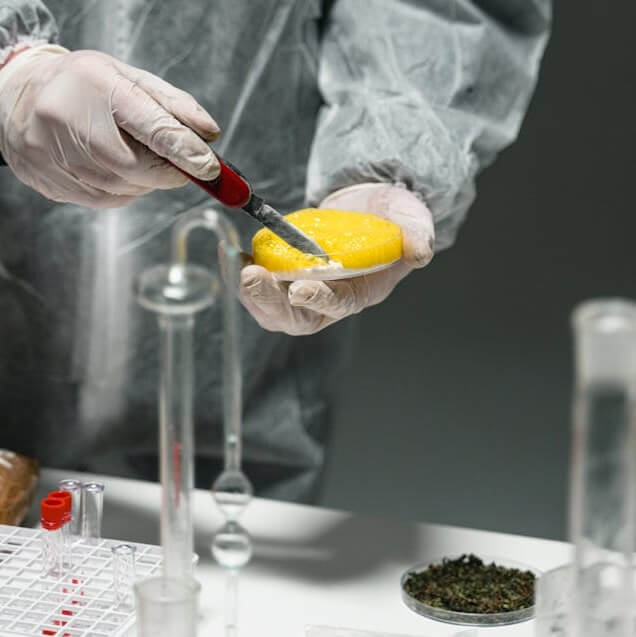
There are over 100 cannabinoids in the cannabis plant, the two main being delta-9-tetrahydrocannabinol (THC) and cannabidiol (CBD). THC is responsible for the psychoactive effects of cannabis and is the reason cannabis is used recreationally. THC may also be responsible for some of the medicinal effects of cannabis such as reduction of nausea, vomiting, pain and muscle spasms as well as improvements in sleep and appetite.
CBD is not psychoactive, so free of the euphoria-inducing effects or high of cannabis. Low-dose CBD is currently an over-the-counter pharmacy medicine available without prescription.
“In Australia, it became legal to purchase products containing low-dose (less than 150 milligrams a day) CBD over the counter after the TGA down-scheduled the substance from a Schedule 4 (prescription medicine) to a Schedule 3 (pharmacist-only medicine).”
Products represent a daily maximum dose of 150mg, and over the counter products are limited to those approved by the TGA and included on the Australian Register of Therapeutic Goods (ARTG).
A variety of products are currently available in the market. These include raw (botanical) cannabis, which for medicinal purposes should be vaporised but not smoked, cannabis extracts in oil, and solvent extracts such as tinctures and oromucosal sprays. Some products for transdermal application (patches or topical application of gel or cream) have also been developed. The main characteristic of prescribed products is the proportion of THC and CBD within the medicine. These range from CBD only (category 1), through THC/CBD balanced products (category 3), to THC-dominant and THC-only products (categories 4 and 5).
Whichever prescribed material is used by a drug test donor will affect the onsite detection and laboratory confirmation of the respective cannabinoids.
Elimination time
Oral fluid: detectable concentrations7 to 12 hours after use.
Urine: detectable concentrations 5 to 10 days after single use. Regular users can produce results above cut-off for 2 to 4 weeks and chronic users for 4 to 8 weeks after use.
My workplace conducts hair sampling and analysis to test for drugs. Will hair testing reveal CBD or THC?
CBD and THC may very likely be detected in hair specimens. However, the cut-off concentrations that may be applied can consider use of ARTG-registered low dose CBD products. A special request must be made for CBD analysis.
One of my employees has tested non-negative in a drug test for THC. He claims to be using an ARTG-registered CBD product. What should I do?
Any on-site non-negative drug test result for THC in oral fluid or THC metabolite in urine must be confirmed by a NATA accredited laboratory. Advice about the interpretation of confirmation test results can be obtained from the AusHealth Toxicology team. Additional laboratory testing for CBD may be requested.
A confirmation drug test certificate from the laboratory shows that my employee has THC present but no CBD. He says he is taking an ARTG-registered CBD product. What does this result suggest?
If laboratory analysis for CBD is requested, then the proportions of THC and CBD can be determined. Presence of THC in the absence of CBD may suggest THC (cannabis) use. Advice about the interpretation of confirmation test results can be obtained from the AusHealth Toxicology team.
My employee has advised me she is taking an ARTG-registered CBD product. Will she be fit for duty?
As with all medicines, it is recommended that employees declaring medications that may impair performance should provide a letter from their medical practitioner or pharmacist confirming that they will be fit for duty whilst using their medication.
What are synthetic cannabinoids, and is it possible to test in urine and/or oral fluid?
Synthetic cannabinoids (also referred to as synthetic cannabis) are a new psychoactive substance (NPS) that was originally designed to mimic or produce similar effects to cannabis. It has been sold online since 2004. If suspicion is raised around the use of synthetic cannabis by an employee, a request can be placed for the testing of synthetic cannabinoids in urine or oral fluid.
Will the consumption of hemp seeds produce a non-negative result in the onsite screening test?
Hemp seeds available for sale in Australia contain only ultra-low amounts of THC so the consumption of hemp seeds will not produce a non-negative result. Hemp seeds sourced from outside Australia may contain significant concentrations of THC and are illegal to import, possess and use.
Get workplace support
AusHealth provides support that will help your supervisors understand issues surrounding CBD and THC use. Consider a review of your workplace policy and procedures relating to drug testing to ensure that your policy and procedures are robust and provide sufficient direction in the event of declared or detected cannabinoid use.