
Workplace drug screen tests explained: process, purpose and compliance
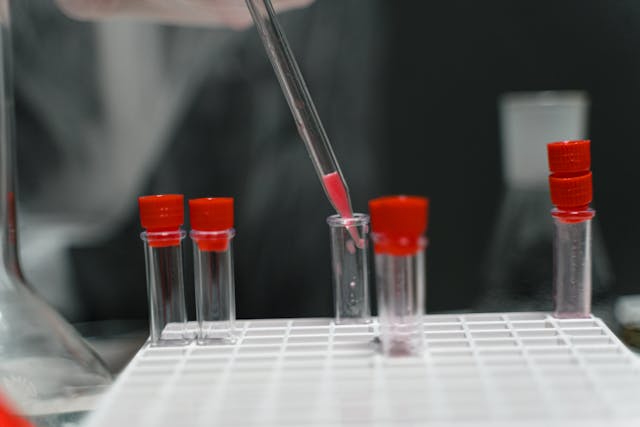
A lot of people hear the words drug screen test and feel unsure about what it actually involves. For employers, there can also be hesitation around how to introduce testing in a way that feels fair and appropriate.
In reality, workplace drug and alcohol testing is a structured, professional process designed to protect people. When done properly, it supports safety, reduces risk and helps create a more accountable workplace.
A drug screen test is a way of detecting whether drugs or alcohol are present in a person’s system at levels that may impact their ability to work safely. It’s commonly used across Australian workplaces as part of a broader safety and wellbeing strategy.
Testing can be carried out in a range of situations, including pre-employment, random testing, post-incident and return-to-work scenarios. It’s not about catching people out. It’s about identifying risk before it leads to harm.
Why is drug testing so important?
Substances can affect judgement, reaction time, coordination and decision making. In safety-critical environments, that creates undeniable risk.
From a legal perspective, employers also have a duty of care. Under Australia’s work health and safety (WHS) laws, employers have a duty to provide a safe work environment. This extends to managing risks related to drug and alcohol impairment. Not having a workplace policy or failing to act on known risks can increase liability, particularly if an incident occurs.
Drug testing plays a role in reducing workplace incidents, supporting early intervention, strengthening safety culture and protecting both workers and employers. It can also contribute to better productivity.
Plus, when positioned properly, it becomes part of a care-led approach rather than a disciplinary one. The way testing is introduced matters just as much as the testing itself. Workplaces that treat drug testing as purely punitive often see resistance and poor compliance. On the other hand, organisations that position it as a safety measure tend to build stronger trust. “If the testing program is perceived to be justified and procedurally fair, employees are less likely to hold negative attitudes toward it.”
Types of drug screen tests
There are a few different types of testing used in Australian workplaces, depending on the situation and what needs to be detected.
Saliva testing is the most common for onsite screening and detects recent drug use. It’s quick, non-invasive, and provides same-day results.
Urine testing has a longer detection window and can identify drug use over several days or even weeks.
Breath testing is used for alcohol and provides immediate results through a breathalyser.
Hair testing can be used to detect long-term or repeated substance use over time.
If an onsite result is non-negative, it must be confirmed through laboratory testing to ensure accuracy. That’s why it’s so important to choose a testing service like AusHealth that has an experienced Senior Toxicologist onsite.
What happens during a drug screen test?
The process itself is straightforward and consistent across workplaces.
Step one: Arrange for testing
The first step is organising the test. This could be part of a scheduled program, a random selection or an immediate response after an incident.
AusHealth’s team works with employers to determine the right approach, whether that’s onsite or offsite testing and how quickly it needs to happen. The best thing is, our customer service team is available 24/7, including public holiday.
Step two: Collectors arrive at your workplace
Trained collectors attend the site and carry out testing using approved devices.
Don’t worry, this process is designed to be discreet, professional and consistent. Samples are collected and tested on the spot.
Step three: Laboratory screening
If a result is non-negative, it doesn’t automatically mean a confirmed positive but we will check it with our laboratory screening processes that meet Australian standards. The sample is sent to a NATA-compliant laboratory for confirmation testing. This step is critical for accuracy and fairness.
AusHealth also uses an in-house toxicology team to review and interpret complex results, ensuring the final outcome is scientifically sound.
Step four: Final results
Results from breath, saliva and urine testing are available within minutes. Non-negative results and hair tests are sent to a lab for confirmation and these results can take seven to ten business days.
This process ensures that any decisions made by employers are based on verified, defensible information rather than initial screening alone.
How to position drug testing in the workplace
Clear policies (that you communicate well to staff) are essential so that workers need to understand why testing is in place, how it works and what happens if a result is non-negative.
We’ve found that consultation is also important. Involving employees in the process improves understanding and reduces pushback.
The benefits of using AusHealth
AusHealth is one of Australia’s largest providers of workplace drug and alcohol testing, with national coverage and 24/7 availability.
Key benefits include:
- rapid response capability, including post-incident callouts
- onsite and offsite testing across metro and regional areas
- same-day results for negative screenings
- NATA-compliant laboratory confirmation for accuracy
- access to in-house toxicology expertise for complex cases and
- testing aligned with Australian Standards and accreditation requirements.
This combination of speed, accuracy and expertise allows workplaces to respond quickly while maintaining confidence in the results.