
Putting people at the heart of workplace safety
Meet Celia Moodie
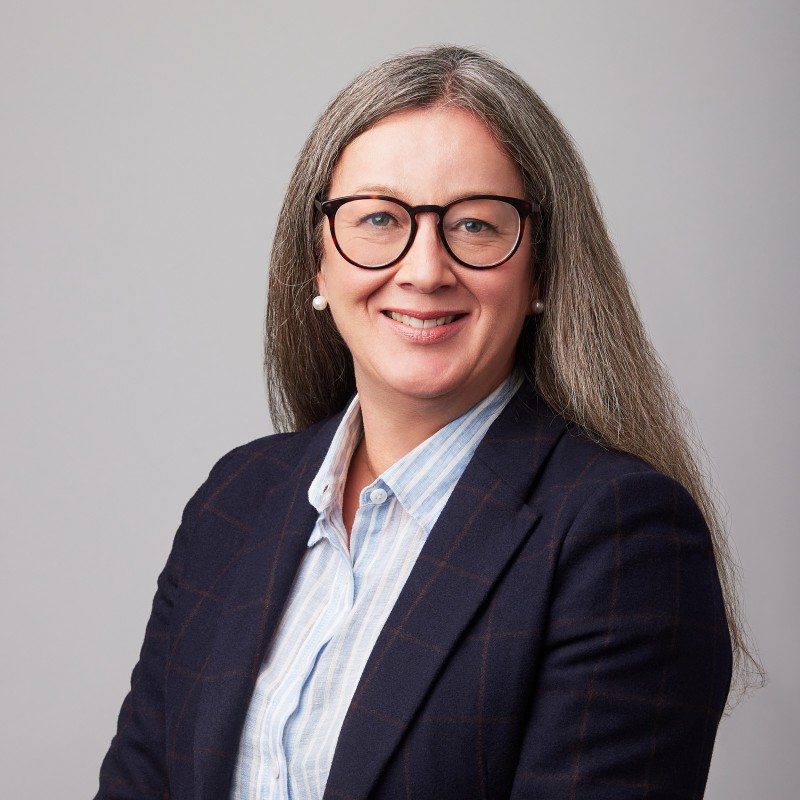
As AusHealth’s National Client Services and Quality Manager, Celia Moodie’s role covers a lot. Client relationships, quality, national service delivery, tenders, research and plenty of problem solving all land on her desk.
“I’m a workhorse. Wherever I’m needed in the organisation is where I’ll step up and contribute,” she says.
Whether that means solving an immediate problem for a client, supporting her team or exploring how evidence and research can improve workplace drug and alcohol programs, that attitude sums Celia up pretty well.
But behind all of that is something Celia cares deeply about: making sure workplace drug and alcohol programs aren’t simply a compliance exercise.
Celia has been with AusHealth for around 2.5 years joining the organisation after a career focused largely on human rights, public policy and victim support. After studying law later in life, she spent much of the following decade working with victims and survivors of crime and abuse.
“I was interested in how we have better systems and law to support better outcomes for people,” Celia says.
That background has given her a useful perspective on how policies and systems actually affect the people they’re designed for.
“That experience gave me a solid grounding in regulatory compliance and understand the importance in maintaining chain of custody to preserve the evidentiary value of samples, balanced with the need to understand why services like ours can make a difference at a human level. If you think, for example, about the harms caused by someone who might be impaired operating a motor vehicle, the responsibility of employers to make sure that they look after the safety of their own people, and other road users, the impact of these types of incidents on families, friends and emergency workers. The harms ripple across so many people’s lives. From a legal liability perspective, the costs, the implications for company directors too, are very serious. Devasting for everyone involved.”
It was also AusHealth’s purpose that initially attracted her. As a self-funded medical research charity, the organisation’s commercial operations help fund medical research, which strongly aligned with Celia’s own values.
“I’ve always preferred to focus on not-for-profit organisations, mainly because I’m looking for a match of values that are focused on a social outcome.”
That experience gave me a solid grounding in regulatory compliance, the importance for example in maintaining chain of custody to preserve the evidentiary value of samples for example, balanced with the need to understand why services like ours can make a difference at a human level. If you think, for example, about the harms caused by someone who might be impaired operating a motor vehicle, the responsibility of employers to make sure that they look after the safety of their own people, and other road users, the impact of these types of incidents on families, friends and emergency workers – really the harms ripple across so many people’s lives. From a legal liability perspective, the costs, the implications for Company Directors too, are very serious. Devasting for everyone involved.
The mission has personal meaning too, following serious health challenges within Celia’s own family.
Celia’s legal research and policy background has turned out to be a natural fit for workplace drug and alcohol testing.
Her work brings an evidence-based research lens to everything from quality and chain of custody through to emerging issues such as medicinal cannabis and impairment.
She’s also particularly interested in how workplace attitudes towards drug and alcohol testing are changing.
Historically, testing has often been viewed primarily through a compliance and safety lens. Those things remain important, particularly for employers operating in safety-sensitive industries, but Celia is seeing more organisations think about what happens next.
“More and more workplaces are saying, now we have a result for this person in our workplace. How will we support that outcome?”
It means thinking beyond the test itself and considering how policies, employee wellbeing, education and support can work alongside workplace safety requirements.
There isn’t really a standard day for Celia. AusHealth supports their clients in organisations across law enforcement, rail, road, aviation, marine logistics and other industries, with client services operating around the clock. Testing can be scheduled or random, while the team also responds to workplace incidents where time, accuracy and sensitivity can all be critical.
“While most of my day is concerned with the service levels for our clients and ensuring we meet their testing compliance requirements, I am heavily involved in tendering for government and industry contracts and working closely with both the operations and business development managers across many areas of onsite testing, liaising with clients on their drug and alcohol policies, supporting our in-house toxicologists to validate results, training collectors, and staying across regulatory and technical updates in the industry.”
For Celia, good client service comes down to being reliable, collaborative and ready to solve problems.
“I’m interested in solutions to problems,” she says.
It’s something she encourages within her team too. When an issue comes up, the focus is on resolving it for the client, understanding what happened and working out how to prevent it happening again.
Quality is a big part of that and with drug and alcohol testing, details such as chain of custody matter, particularly when an organisation may need to rely on testing outcomes further down the track.
“We’re always looking at why a particular error happened and how we make sure that doesn’t happen again.”
Celia is also quick to point out that it’s a team effort and she particularly values the work of team leader Laura Mendoza and the collaborative way the client services team operates.
“I really value the people that I have working with me. It’s very collegiate.”
One of the things Celia finds most interesting about the industry is what organisations can learn from their drug and alcohol programs, rather than simply looking at testing as a box that needs to be ticked. Data, research and testing outcomes can potentially help organisations ask better questions about their policies, processes, education and approach to employee wellbeing.
Celia is currently particularly interested in AusHealth’s evidence-based work around medicinal cannabis, impairment and the changing legal landscape.
For her, though, there’s an even bigger reason the work matters. Workplaces have a genuine opportunity to positively influence health and wellbeing. Education and early intervention can help people make healthier decisions, while effective testing programs can help manage immediate safety risks.
In industries involving transport, heavy machinery and other safety-sensitive work, the impact can extend well beyond the workplace.
“If people aren’t leaving the workplace driving a truck or train under the influence of drugs and alcohol, then there’s a broader community safety question that’s addressed as well.
Knowing that what I do genuinely contributes to people going home safely at the end of their shift. It’s tangible, meaningful work. And the value regarding road safety too, because it extends well beyond just the impact for that worker and their workplace. It is knowing how much of a difference we make, every day.”
Living in the Adelaide Hills means plenty of time outdoors outside of work and she’s found herself becoming increasingly enthusiastic about gardening. She also loves horses, good food and the arts.