
Pre-employment urine drug testing for safer workplaces
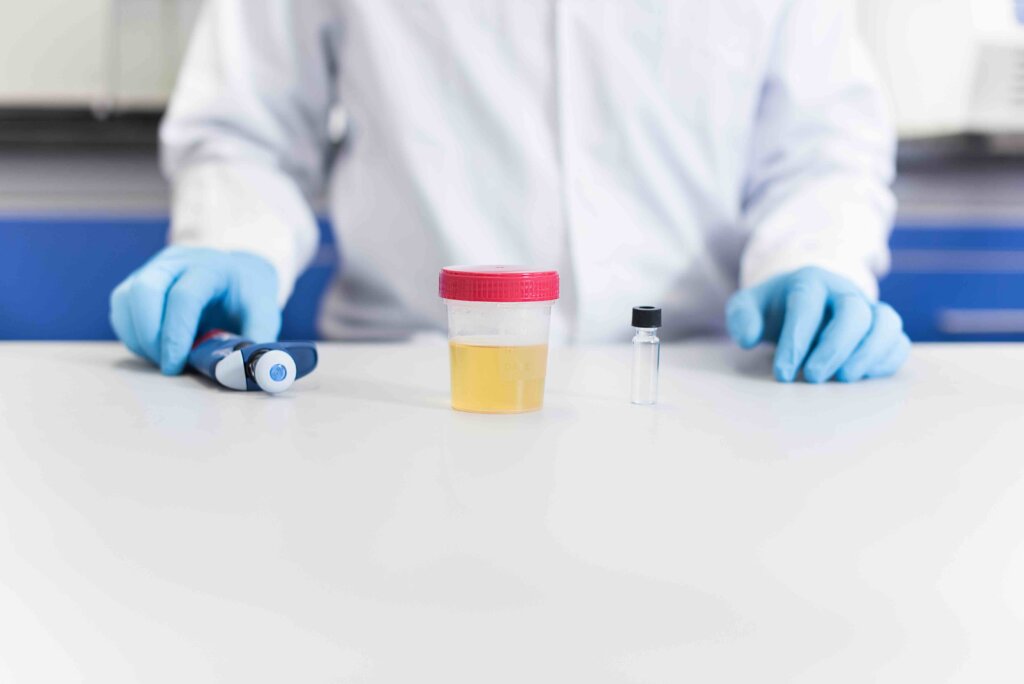
When is the most important time to create a safe workplace for employees? Before their first day on the job. Many organisations, particularly those operating in safety-sensitive industries, pre-employment drug testing is an important part of the recruitment process.
Which typically takes the form of testing during hiring to work out any potential risks before a worker begins employment. It’s a proactive measure that can help employers support workplace safety, meet compliance obligations and build a fit-for-work team from day one.
What is pre-employment drug testing?
Pre-employment drug testing is conducted on job applicants before they begin work. It may take place during induction, onboarding or prior to an employment contract being finalised.
While several testing methods are available, urine drug testing remains one of the most widely used options for pre-employment screening. The test is used to detect the presence of drugs in a person’s system and is pretty common in workplace drug and alcohol management programs.
Why do employers conduct pre-employment drug testing?
Employees who are affected by alcohol or other drugs can pose significant health and safety risks in the workplace. Impairment can affect judgement, concentration, reaction times and coordination, increasing the likelihood of incidents, injuries and equipment damage.
Pre-employment drug testing helps employers:
- reduce workplace risk
- support a safe and productive workforce
- reinforce fitness-for-work expectations
- meet workplace health and safety obligations
- protect workers, contractors and the public.
Drug and alcohol testing is routinely used across many Australian industries, particularly those where safety is critical. For employers operating in high-risk environments (such as mining, healthcare, rail, manufacturing, aviation and similar), these considerations are particularly important for obvious reasons.
The Workplace Drug Testing Association estimates that approximately one million workplace drug and alcohol tests are conducted each year across Australia. It is also estimated that up to 3.5 million Australian workers are employed in industries where testing is either mandatory or routinely conducted.
Why is urine drug testing used?
Urine drug testing is one of the most established and widely accepted forms of workplace testing.
Some of the reasons employers choose urine testing include:
Reliability
Urine testing has been used for many years and is supported by established testing procedures and laboratory analysis.
Broad detection capabilities
Urine tests can detect a range of commonly used substances and are suitable for pre-employment screening programs.
Cost effectiveness
For organisations conducting regular recruitment or large-scale onboarding, urine drug testing can be a practical and cost-effective option.
Industry acceptance
Many organisations and industries have adopted urine testing as part of their standard recruitment and risk management processes.
It is important to note that urine testing identifies evidence of recent drug use rather than current impairment.
Is pre-employment drug testing legal in Australia?
There is no general legal requirement for Australian employers to conduct pre-employment drug testing. However, employers have a duty under workplace health and safety legislation to provide, so far as reasonably practicable, a safe working environment.
Where there is a legitimate safety reason for testing, employers may include drug and alcohol screening as part of their recruitment process.
To support compliance and fairness, employers should ensure that:
- testing requirements are clearly communicated to applicants
- drug and alcohol policies are documented and consistently applied
- candidate privacy and confidentiality are protected
- testing is conducted by qualified providers using appropriate procedures.
What happens during a pre-employment urine drug test?
While processes may vary between providers, pre-employment urine drug testing generally involves:
- Candidate identification and registration.
- Collection of a urine sample.
- Secure handling and chain-of-custody procedures.
- Screening of the sample.
- Confirmation testing, if required.
- Reporting of results to the authorised employer representative.
Professional testing providers follow strict procedures to ensure the integrity and accuracy of results.
What if a candidate returns a non-negative result?
A non-negative screening result does not necessarily mean a candidate has failed a drug test.
In many cases, additional laboratory analysis or review may be required to confirm the result. Legitimate prescription medications may also need to be considered as part of the assessment process.
Employers should have clear procedures in place for managing non-negative results and ensure decisions are made fairly and consistently.
It starts before day one
Pre-employment drug testing can help employers identify potential risks before workers enter the workplace. Plus, for organisations operating in safety-sensitive environments, it provides an additional layer of protection for employees, contractors and the wider community.